
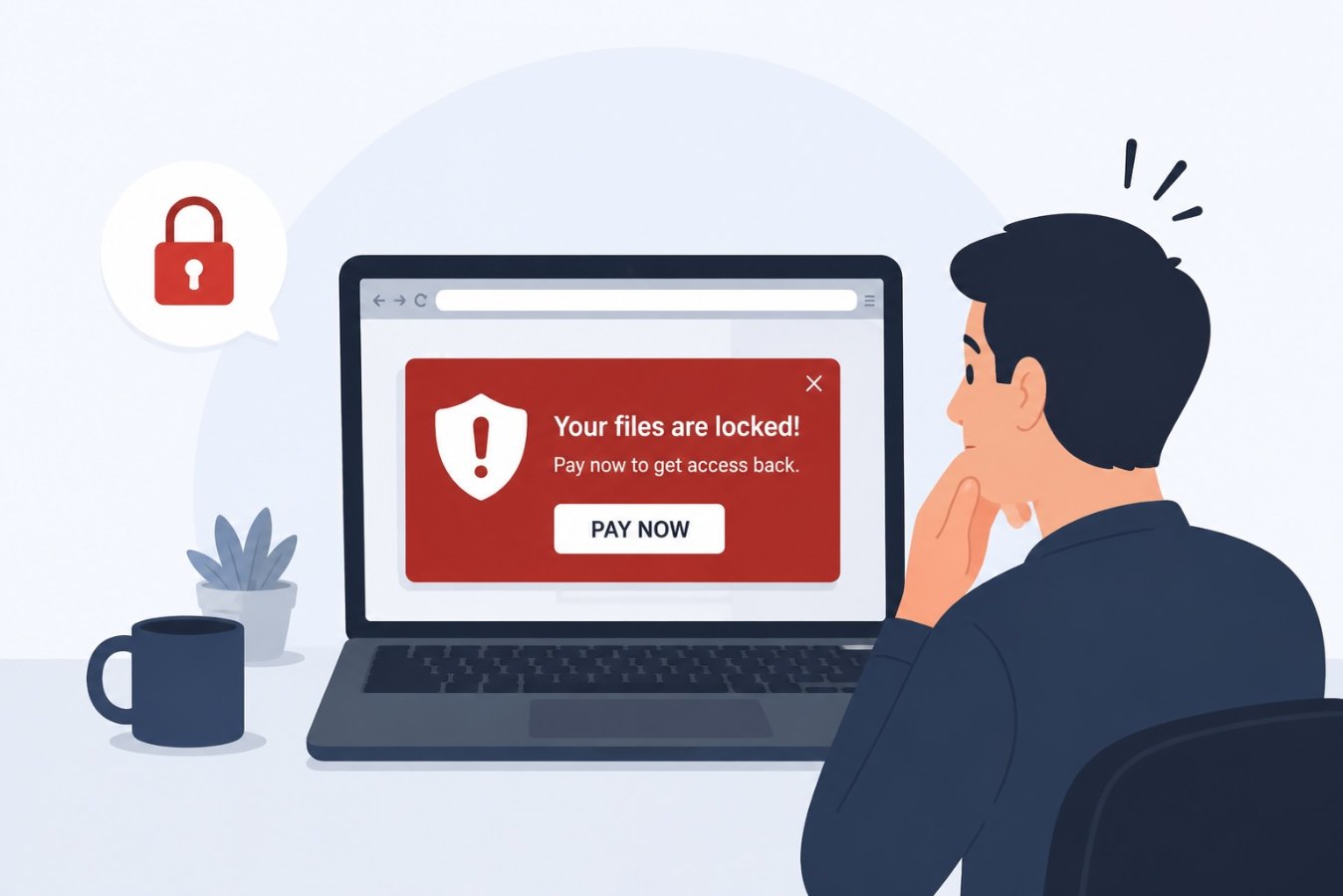
In November 2023, aerospace giant Boeing made a decision many security experts recommend:
They refused to pay a ransomware demand.
Shortly after, the attackers followed through on their threat and leaked 45GB of stolen data.
What Happened
The attack was linked to the LockBit ransomware group—one of the most active and aggressive cybercriminal organizations at the time.
Here’s how it unfolded:
- Attackers infiltrated Boeing’s systems
- Data was exfiltrated (not just encrypted)
- A ransom demand was issued
- Boeing declined to pay
- The attackers published ~45GB of data online
This is known as double extortion:
Encrypt the systems and steal the data—so even if the victim restores from backups, the threat remains.
The Uncomfortable Reality
There’s a common assumption:
“If we don’t pay, we avoid funding criminals and we’ll be fine.”
That’s only partially true.
Not paying may be the right long-term decision, but it doesn’t prevent:
- data exposure
- reputational damage
- regulatory consequences
Boeing did the “right thing”—and still got burned.
Why Ransomware Has Changed
Ransomware used to be about locking files.
Now it’s about leverage.
Attackers don’t need you to lose access to your systems anymore. They just need something valuable enough to threaten.
That includes:
- internal documents
- employee data
- vendor contracts
- intellectual property
Once data is exfiltrated, the attacker has power—whether you pay or not.
Why Companies Still Pay
Even though experts advise against paying, many companies still do.
Why?
Because the alternative can be worse:
- public data leaks
- customer trust loss
- legal exposure
- competitive damage
It’s not just an IT decision anymore—it’s a business decision.
The Bigger Problem: Prevention Failed
By the time ransomware is deployed, the real failure already happened.
Attackers had:
- access to internal systems
- time to move laterally
- the ability to extract large volumes of data
That doesn’t happen instantly.
It usually means:
- phishing worked
- credentials were compromised
- suspicious activity wasn’t detected in time
What This Means for You
This story isn’t about Boeing. It’s about how modern attacks work.
If your strategy is:
- “we’ll restore from backups”
- “we won’t pay ransom”
You’re missing the real risk.
Because backups don’t stop data leaks.
How to Actually Reduce Risk
1. Focus on Early Detection
You want to catch attackers before they exfiltrate data.
That means:
- monitoring unusual access patterns
- detecting credential misuse
- alerting on large data transfers
2. Lock Down Access
Limit what attackers can reach:
- least privilege access
- segmentation between systems
- strong authentication (MFA everywhere)
3. Train for the Entry Point
Most ransomware attacks still start with:
- phishing
- social engineering
- credential theft
Your employees are the front line.
If they fail, everything else is at risk.
4. Assume Data Will Be Targeted
Don’t just protect systems—protect data.
- know where sensitive data lives
- restrict access tightly
- monitor usage continuously
Final Thought
Boeing made the decision many security teams hope they’ll make under pressure.
But the outcome shows something important:
By the time you’re deciding whether to pay, you’ve already lost control.
The real battle happens much earlier.
And in most cases, it starts with a human mistake.