August 16, 2026 · SafeInstinct Team
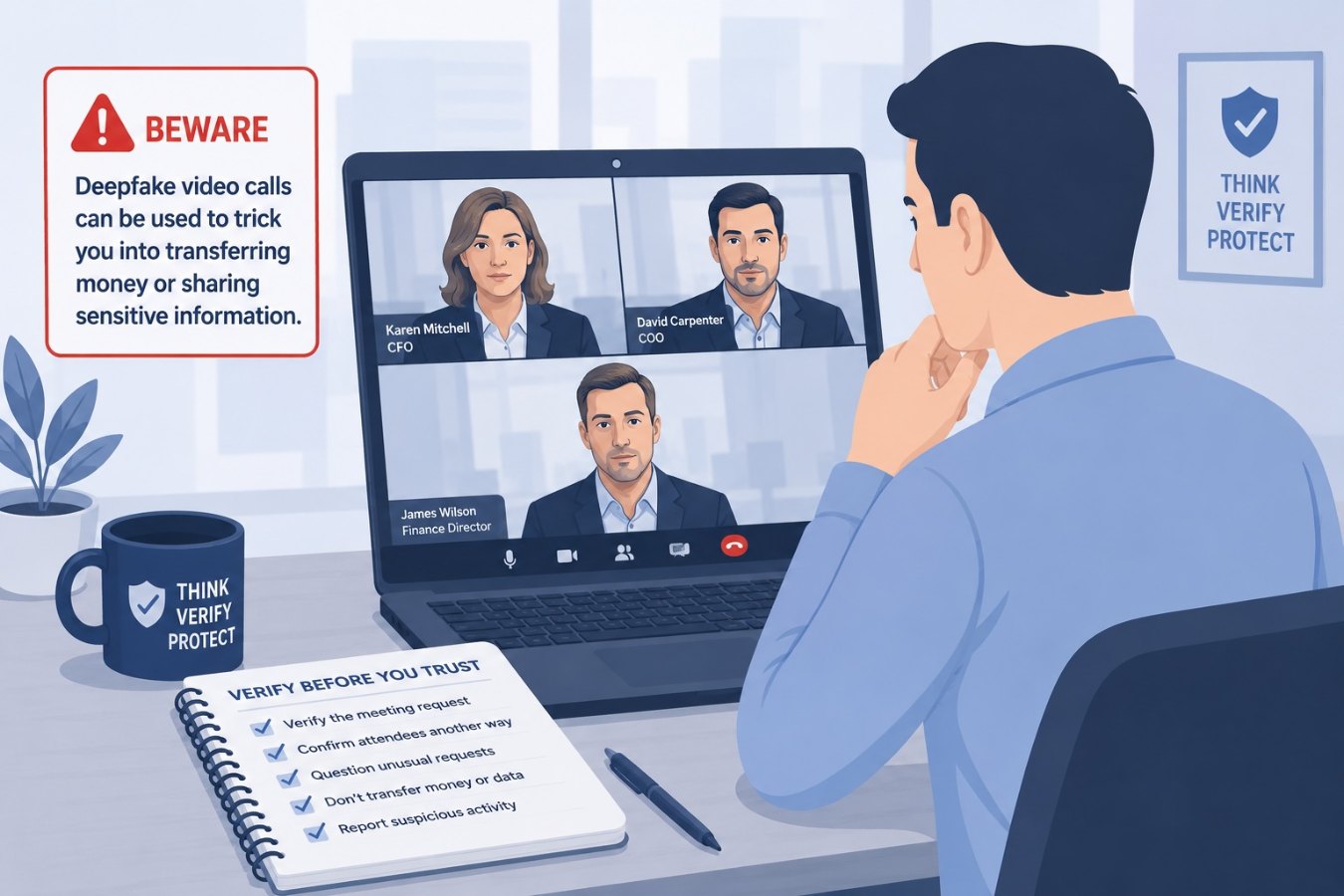
Sophisticated criminals are leveraging artificial intelligence to clone the voices and faces of executives. In a notable case last year, a finance worker wired millions of dollars after attending a video call with convincing deepfakes of her colleagues. This article explores how deepfake video scams work, why they’re so persuasive, and how organizations can protect themselves.
Continue reading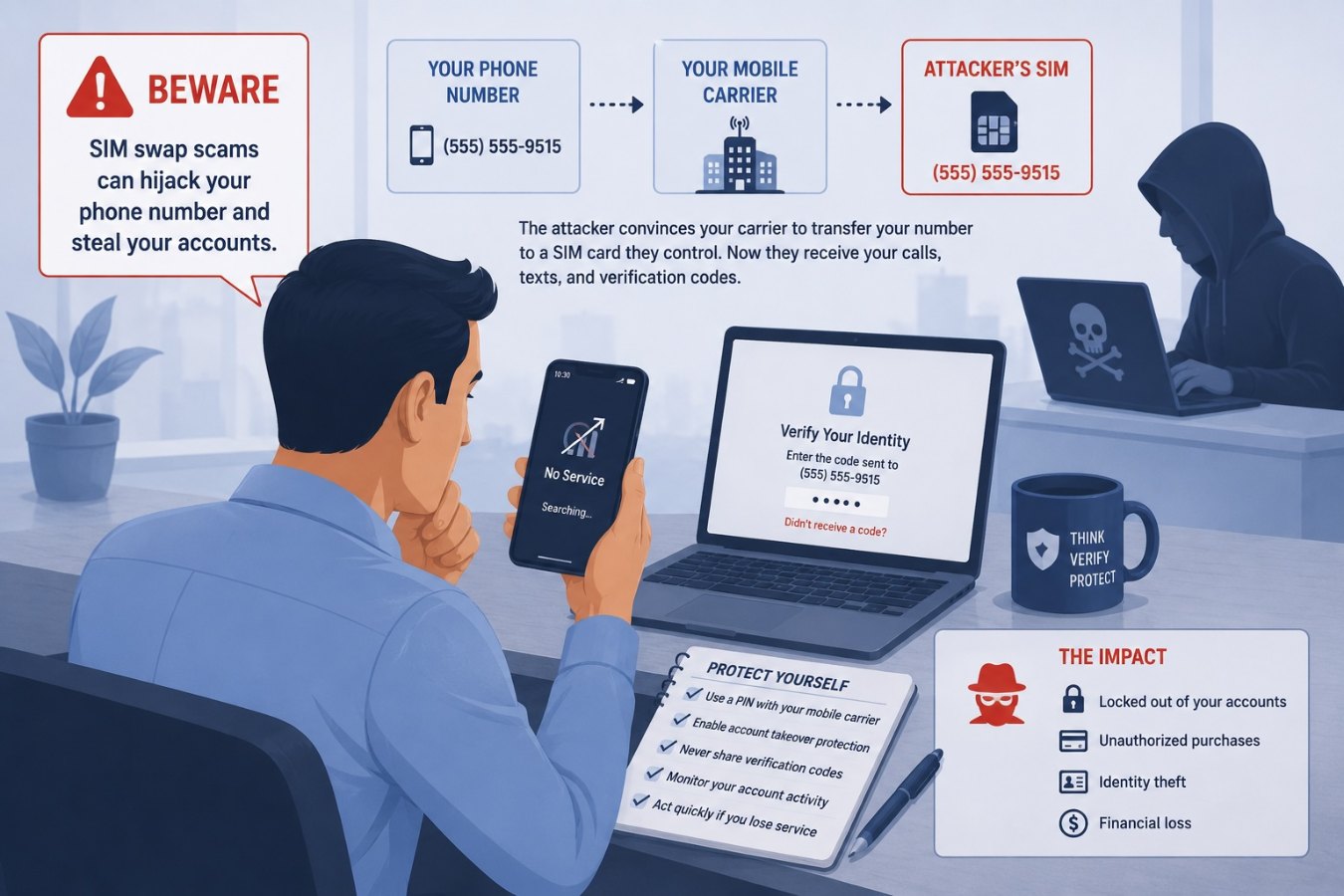
August 2, 2026 · SafeInstinct Team
Mobile carriers can be tricked into handing over your phone number to a criminal. Once that happens, texts and calls – including one‑time passcodes – go to the attacker instead of you. In 2024 the FBI recorded nearly $26 million in U.S. losses and the UK saw a 1,055 percent spike in SIM swap cases. This article explains how SIM swap scams work, why they’re so dangerous, and steps you can take to stop them.
Continue reading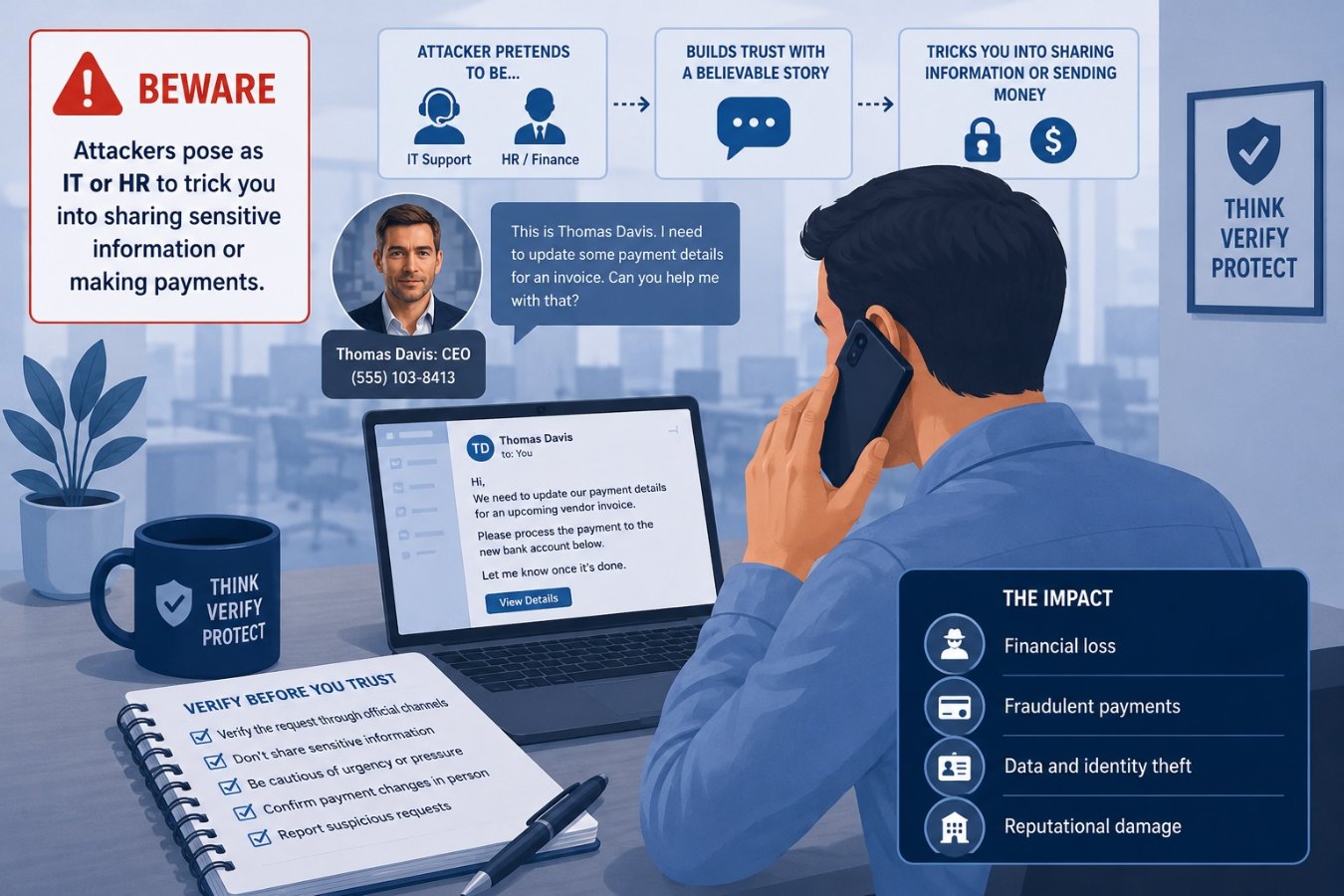
July 19, 2026 · SafeInstinct Team
Pretexting is a social‑engineering tactic where criminals invent a believable story to coax information or access out of a target. Instead of scaring you into action like phishing does, pretexters build trust. They may pose as HR, finance or IT personnel and convince you to share credentials or change payment details. In one case attackers impersonated company executives and conned employees into wiring $46.7 million.
Continue reading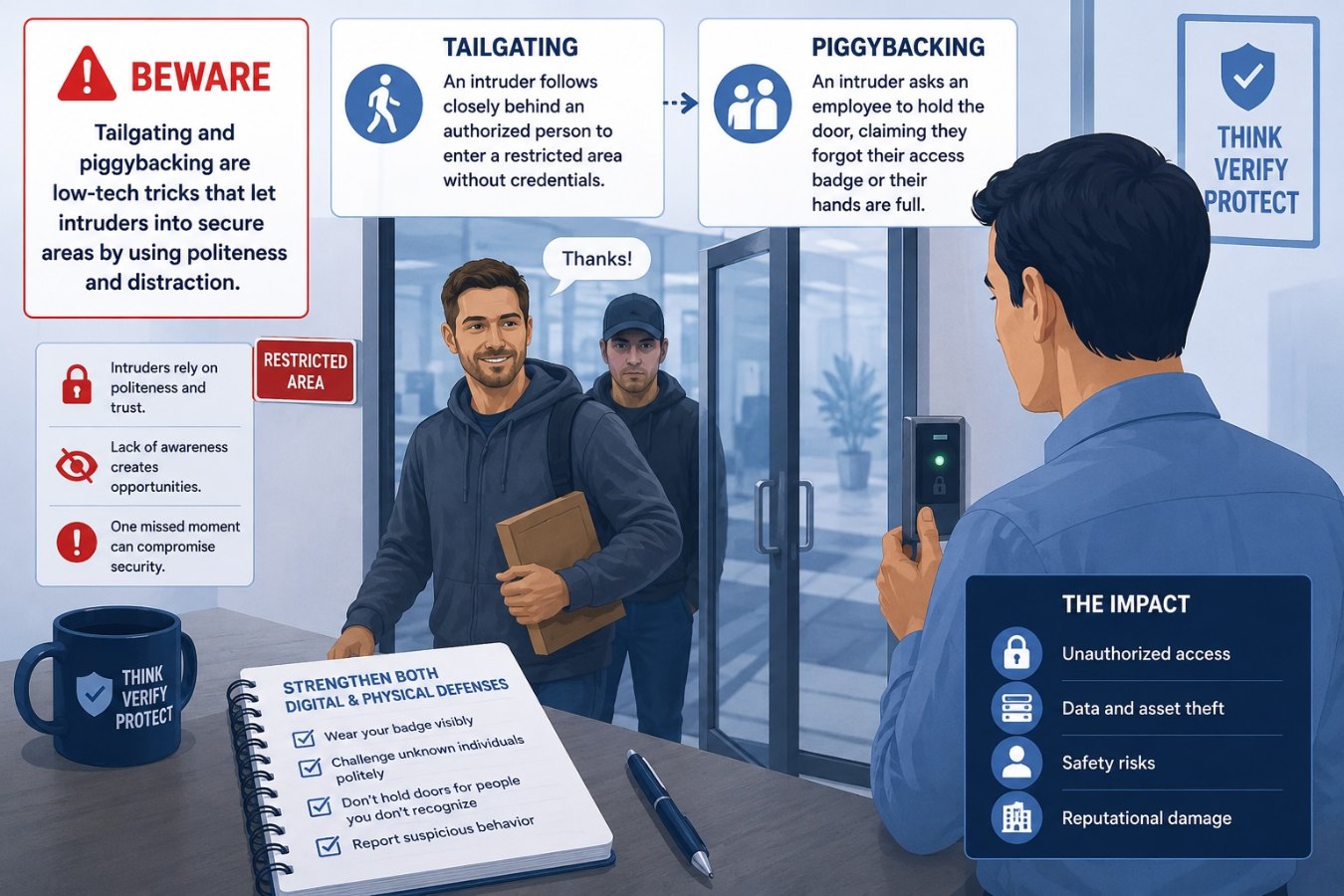
July 5, 2026 · SafeInstinct Team
Not all breaches happen online. Tailgating and piggybacking are low‑tech tricks that let intruders slip into restricted areas by following or coaxing employees to hold the door. These in‑person scams exploit politeness and lack of awareness. Understanding how they work helps you strengthen both digital and physical defenses.
Continue reading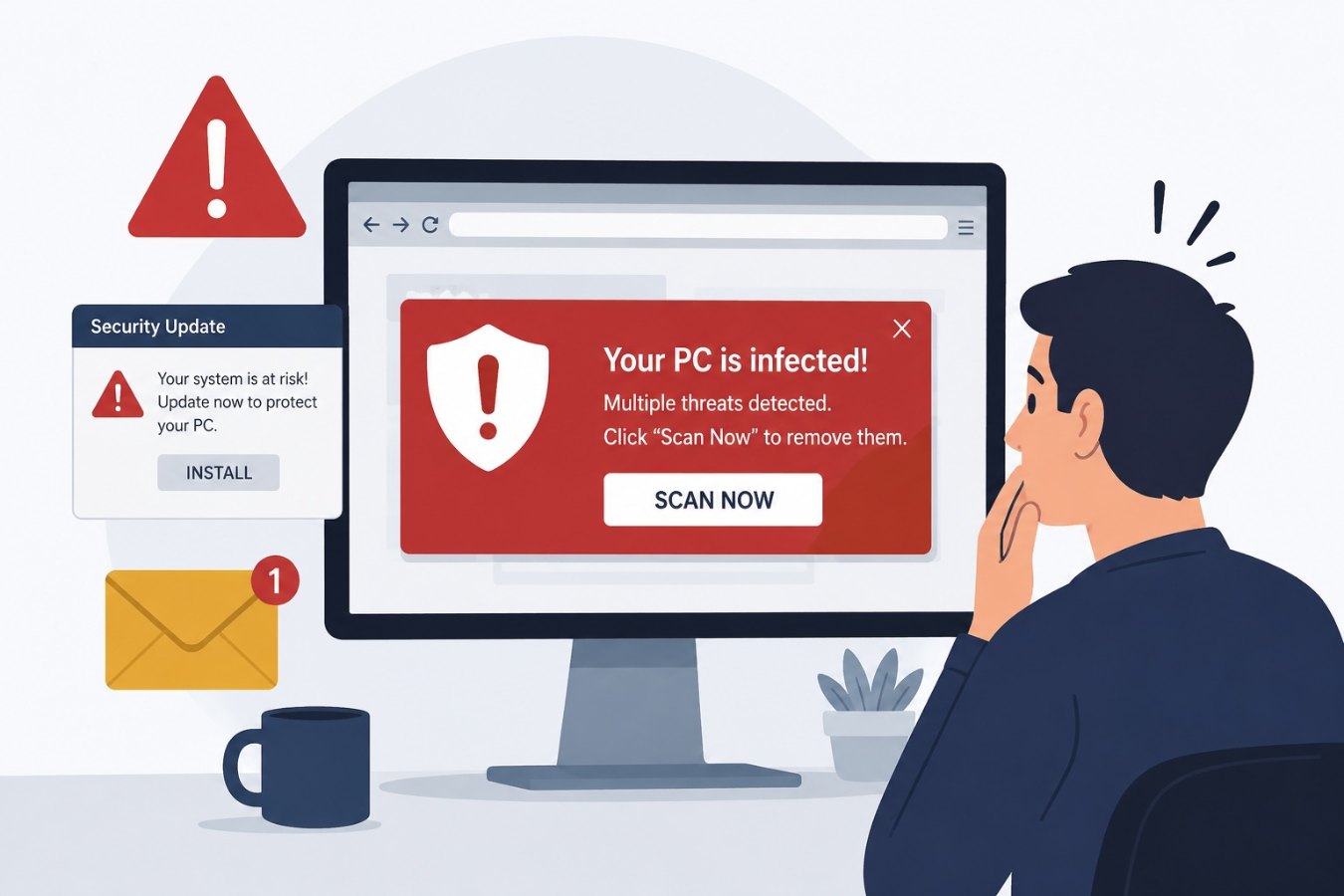
June 21, 2026 · SafeInstinct Team
Have you ever seen a pop‑up warning that your computer is infected and you must download a tool immediately? That’s scareware. It uses fear‑inducing messages and phony security alerts to trick people into installing malware or paying for bogus software. This article explains how scareware works and how to avoid falling for it.
Continue reading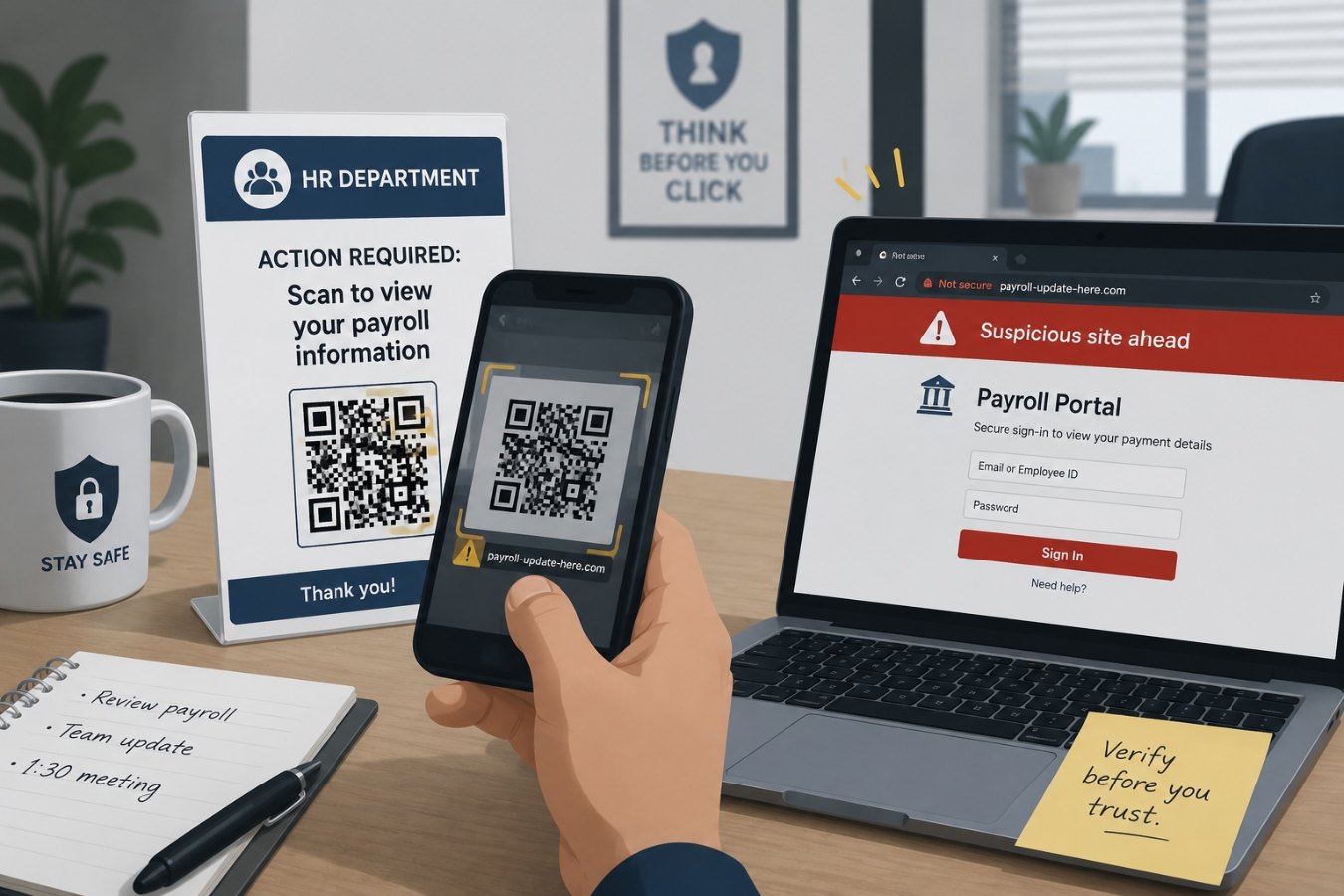
June 7, 2026 · SafeInstinct Team
QR codes have become part of everyday life, from restaurant menus to payment portals. That familiarity is exactly what cybercriminals are banking on. “Quishing” scams use malicious QR codes to lure employees into visiting fraudulent websites or installing malware on their mobile devices. This article explains how these attacks work, why they’re so effective, and how you can protect yourself and your organization.
Continue reading