
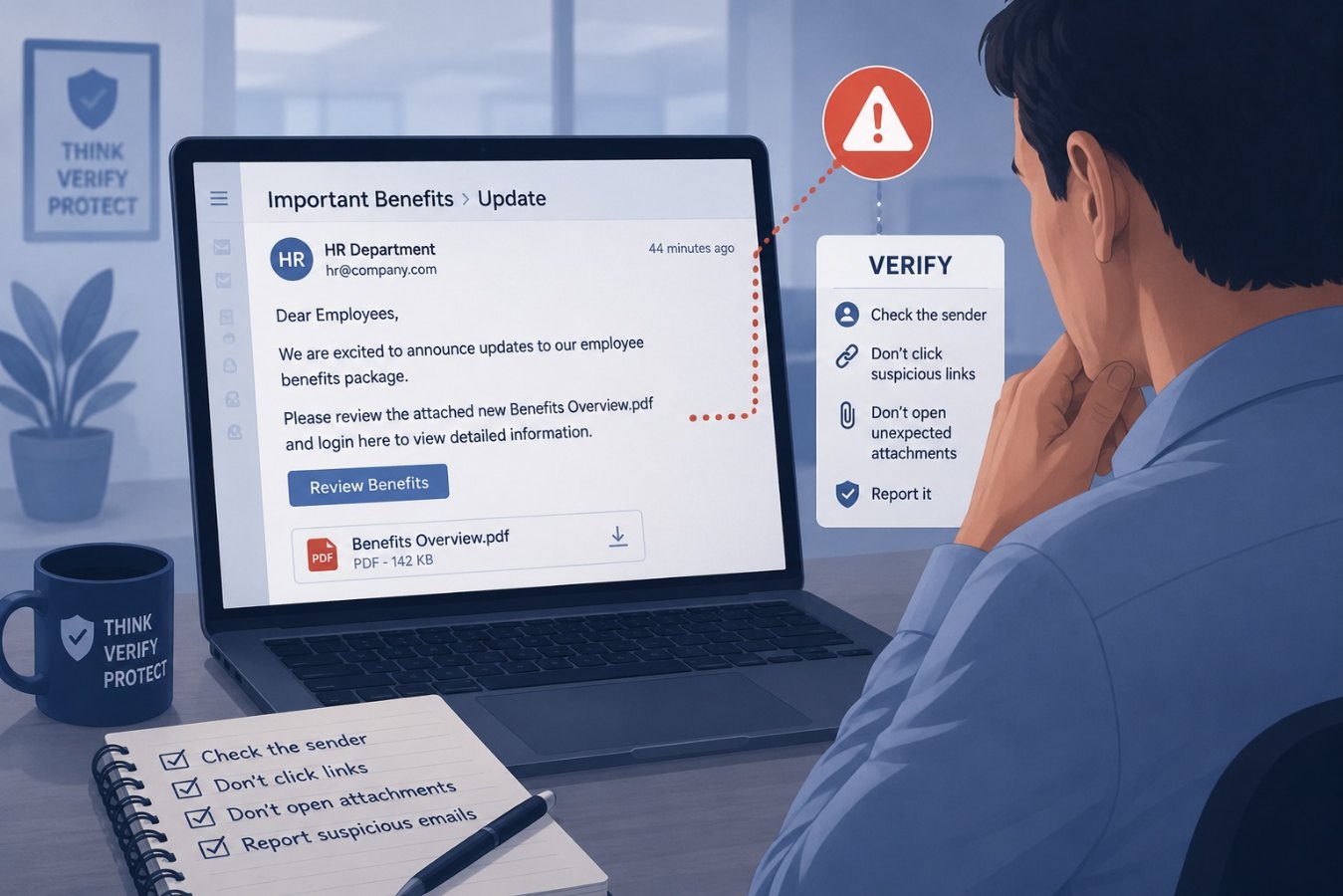
How smishing preys on trust and convenience
Most of us are conditioned to ignore suspicious emails, but text messages feel more personal. Attackers exploit that trust by sending believable messages that appear to come from your bank, a delivery service, a job recruiter, or even a colleague. Unlike email, where spam filters scan links and attachments, SMS and chat platforms offer little content filtering. Messages go straight to a user’s phone, often accompanied by a push notification that demands immediate attention.
A typical smishing message might claim there’s a problem with a package delivery, a new job opportunity, a fraud alert on your account, or an unpaid toll. It includes a link to “resolve” the issue or asks you to reply with personal information. Once clicked, the link directs the victim to a spoofed website that steals credentials or initiates a malware download. Some scams simply capture personal data for future identity theft. In more advanced cases, attackers use conversational “wrong number” or romantic messages to build rapport before asking for money or personal information.
The scope of the problem
Security analysts say text‑based scams now account for a large majority of mobile‑targeted phishing incidents, far surpassing email. One recent industry report noted that nearly seven in ten mobile phishing attacks begin with a text message, and smishing losses exceeded $470 million last year. Consumer advocacy groups warn that job scam texts, bogus delivery notices, fake account alerts, and phony investment opportunities together represent a huge portion of reported fraud.
Several high‑profile breaches in recent years—at companies like Twilio, Uber and MGM Resorts—began with simple smishing messages that tricked employees into sharing login credentials or approving multifactor authentication prompts. Attackers understand that SMS click‑through rates are significantly higher than those for email; research suggests that links sent via text are clicked up to seven times more often than those delivered by email.
Why people fall for it
There are several psychological and technical reasons smishing succeeds:
- Immediacy: People generally read and respond to text messages quickly. Attackers leverage this urgency, often including language that implies immediate consequences if the recipient doesn’t act.
- Short format: SMS messages are brief. Attackers craft concise, believable stories that fit within the character limit. A short message with a familiar brand name or a reference to an ongoing task can disarm a recipient’s skepticism.
- Mobile limitations: On a smartphone, it’s harder to inspect a link’s full URL or hover over it to preview its destination. A shortened link looks harmless, and the phone’s small screen hides details that might otherwise raise suspicion.
- Reputation abuse: Attackers spoof legitimate phone numbers or use names of trusted companies to appear credible. Some messages may even arrive in existing message threads if the attacker has already compromised a contact’s account.
Recognizing a smishing attempt
Although smishing messages can be convincing, certain warning signs often give them away:
- Unexpected requests for information: Banks and government agencies do not ask for passwords, account numbers or personal data via text. Any message requesting sensitive information should be treated as fraudulent.
- Links in time‑sensitive messages: Messages claiming your account will be suspended or you’ll incur penalties unless you click a link immediately are designed to induce panic. Real organizations typically do not threaten immediate punishment via SMS.
- Generic greetings or odd wording: Legitimate institutions usually address you by name. Messages that begin with “Dear customer” or feature awkward grammar, strange capitalization, or unusual characters may be scams.
- Wrong number conversations: Scammers sometimes send friendly “wrong number” texts to start a conversation and establish rapport. Eventually the conversation turns to crypto investments, job opportunities, or other money‑making schemes.
Protecting yourself and your organization
Reducing smishing risk requires a combination of personal vigilance and organizational safeguards. Employees should:
- Never click links or reply to unsolicited texts: If a message asks you to verify an account or pay a fee, delete it. Instead, navigate to the company’s official website or call their customer service number to confirm any issues.
- Enable spam filtering: Many mobile carriers and messaging apps offer spam filtering or allow users to report spam by forwarding the message to special numbers (for example, 7726). Encourage staff to use these tools.
- Verify with a second channel: If a coworker texts you about an urgent matter or a financial transaction, call them using a known phone number or contact them via a verified corporate chat system to confirm.
- Keep devices updated: Install the latest operating system and security patches on mobile devices. Updates often include protections against known SMS and messaging exploits.
- Educate regularly: Incorporate smishing scenarios into your ongoing security awareness training. Show examples of real smishing messages and explain the tactics behind them.
For organizations, deploying mobile device management (MDM) solutions can help enforce security policies and block malicious links. Multifactor authentication methods that rely on authenticator apps or hardware tokens are less susceptible to text‑based phishing than one‑time codes sent via SMS. Finally, maintain clear reporting channels so employees feel comfortable escalating suspicious messages without fear of blame.
Final thoughts
The line between personal and professional communication is increasingly blurred as employees use their smartphones for work. Attackers know this and will continue to exploit mobile channels. By understanding the mechanics of smishing, recognizing the telltale signs of fraudulent texts, and applying strong mobile security practices, both individuals and organizations can reduce the risk of falling victim to the next text‑based scam.