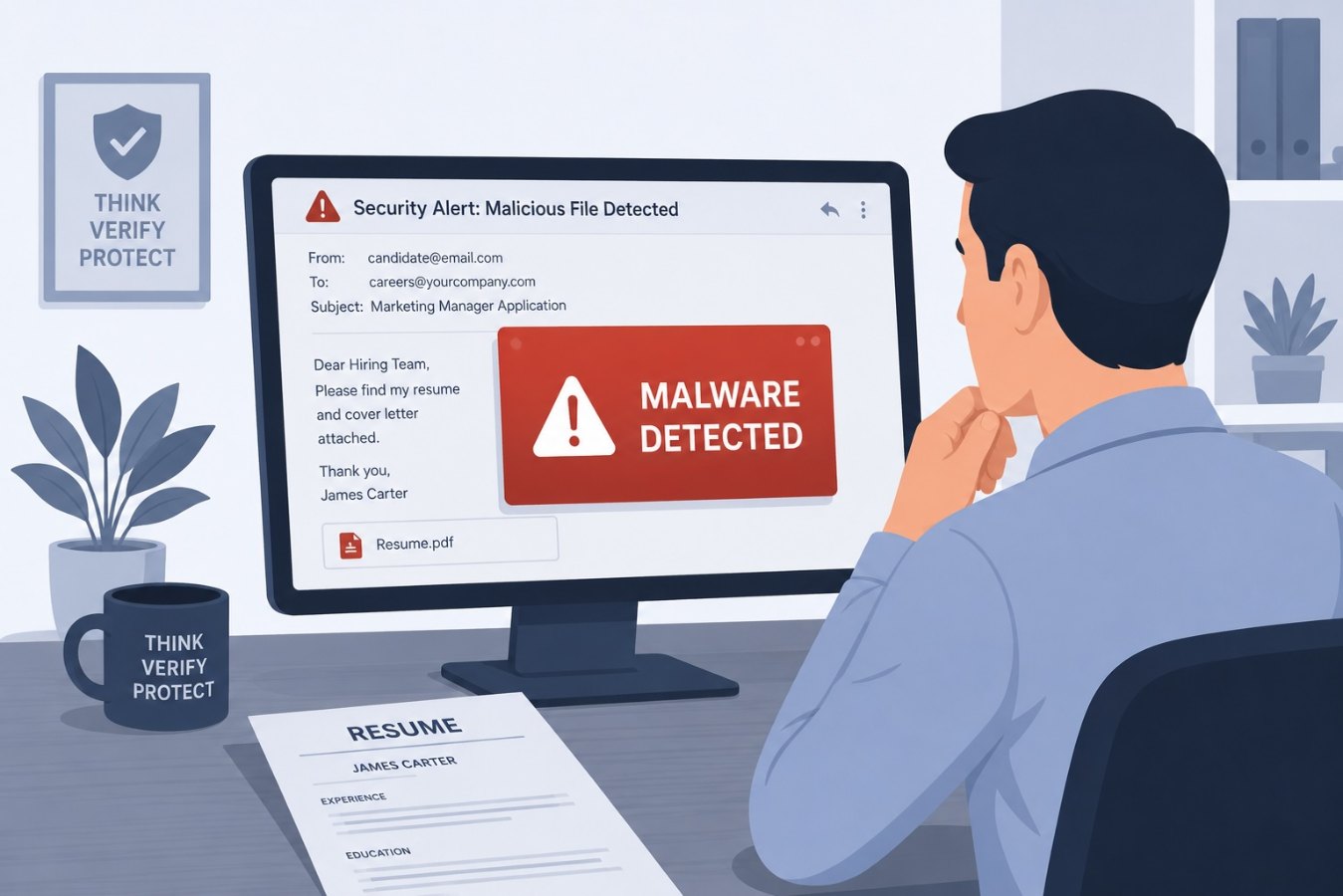
Malware in the Resume: Safely Handling Job Applications
Resumes and CVs can hide malicious code that locks up your systems. Hiring managers and recruiters need to adopt safe practices when opening attachments.
Read article
SafeInstinct Blog
Security training notes, privacy readiness guidance, and practical ways to reduce human risk.
Resumes and CVs can hide malicious code that locks up your systems. Hiring managers and recruiters need to adopt safe practices when opening attachments.
Read articleArchive
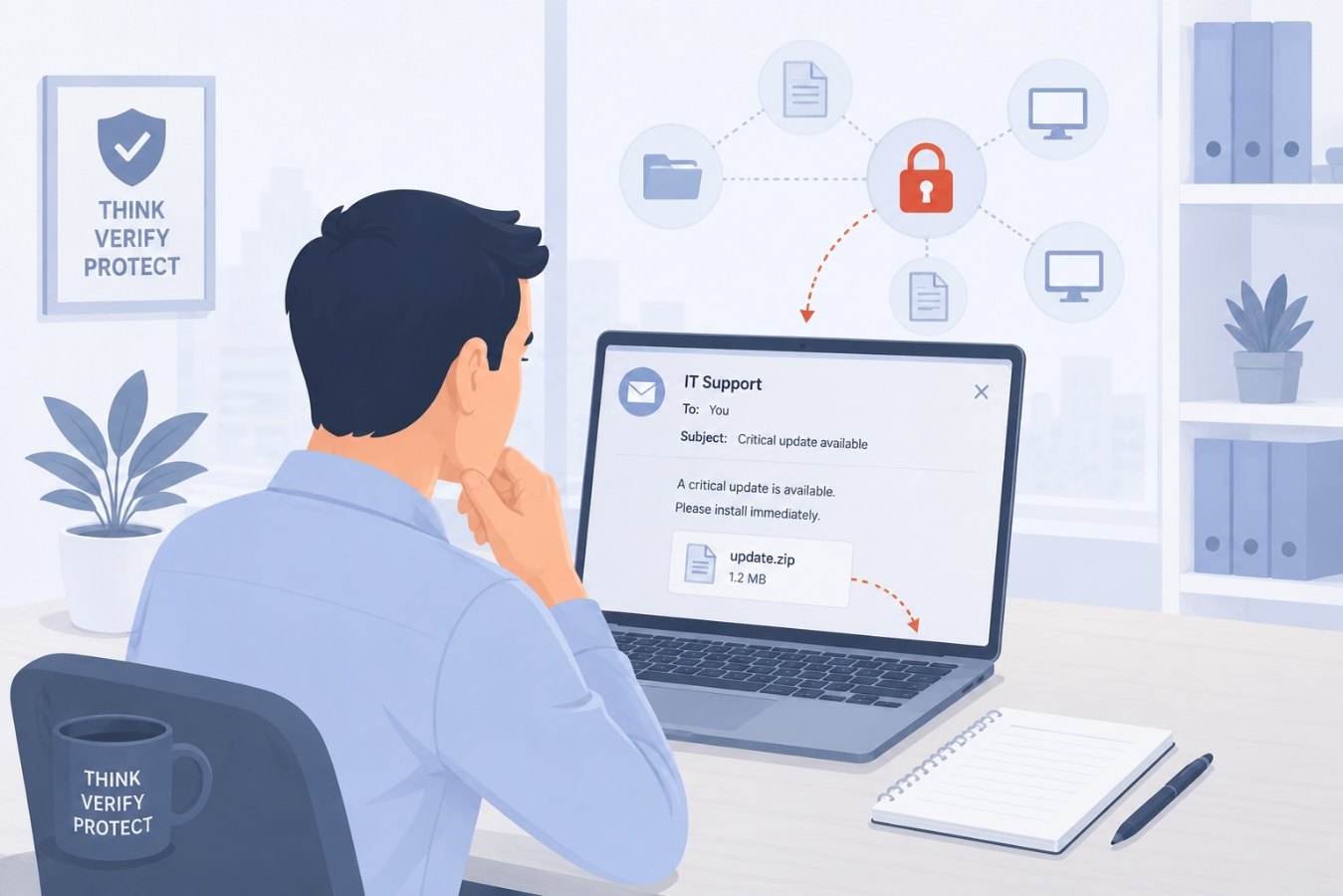
In busy workplaces, employees may download what appears to be a routine software patch, only to unleash ransomware that locks critical files. Learn how these fake update scams work and the steps you can take to verify updates and protect your organisation.
Continue reading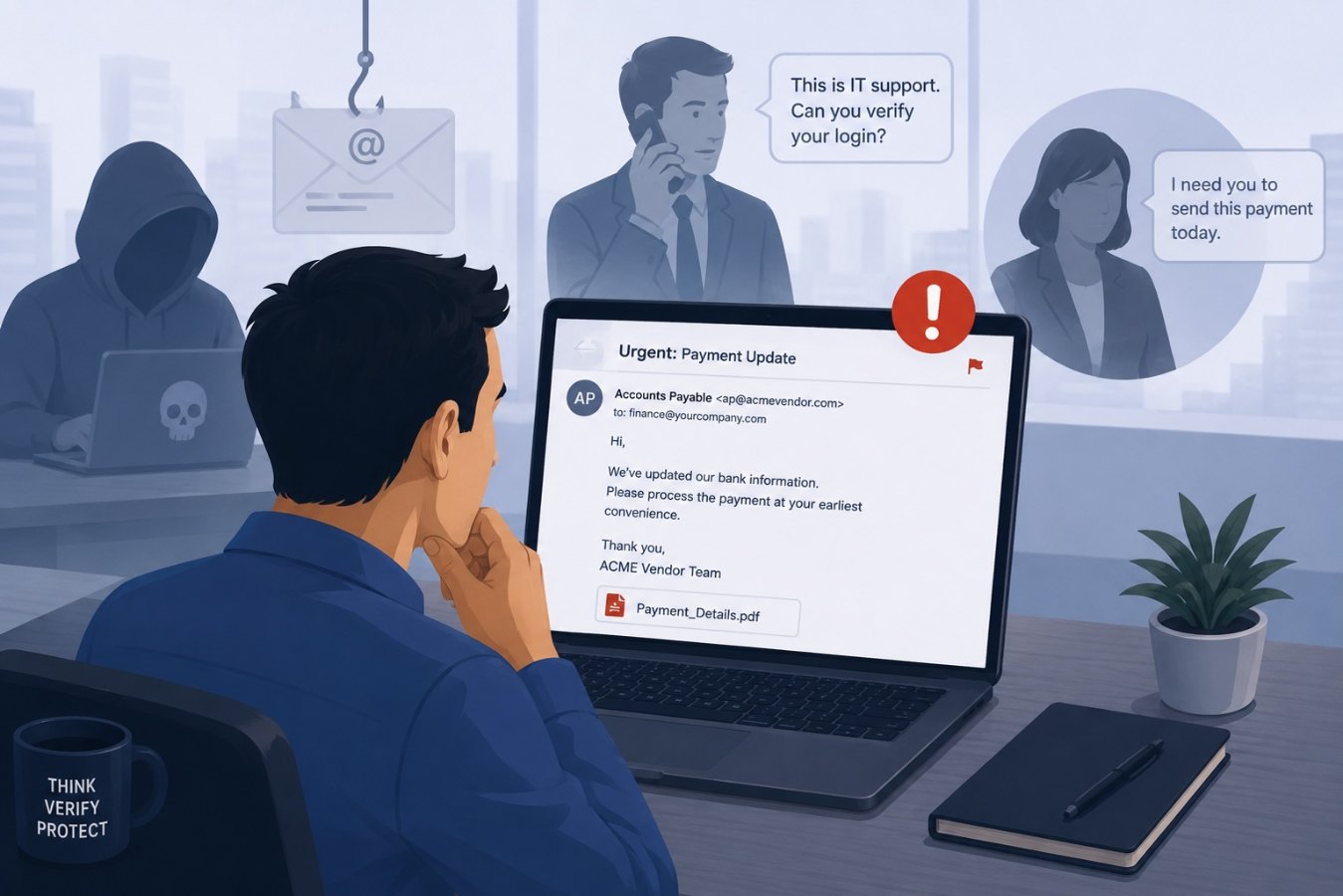
Recent social‑engineering attacks show how easily trust and complacency can be exploited. From bribed insiders to phishing kits and impersonated help desks, these real‑world cases underscore why continuous training and strict identity verification are essential.
Continue reading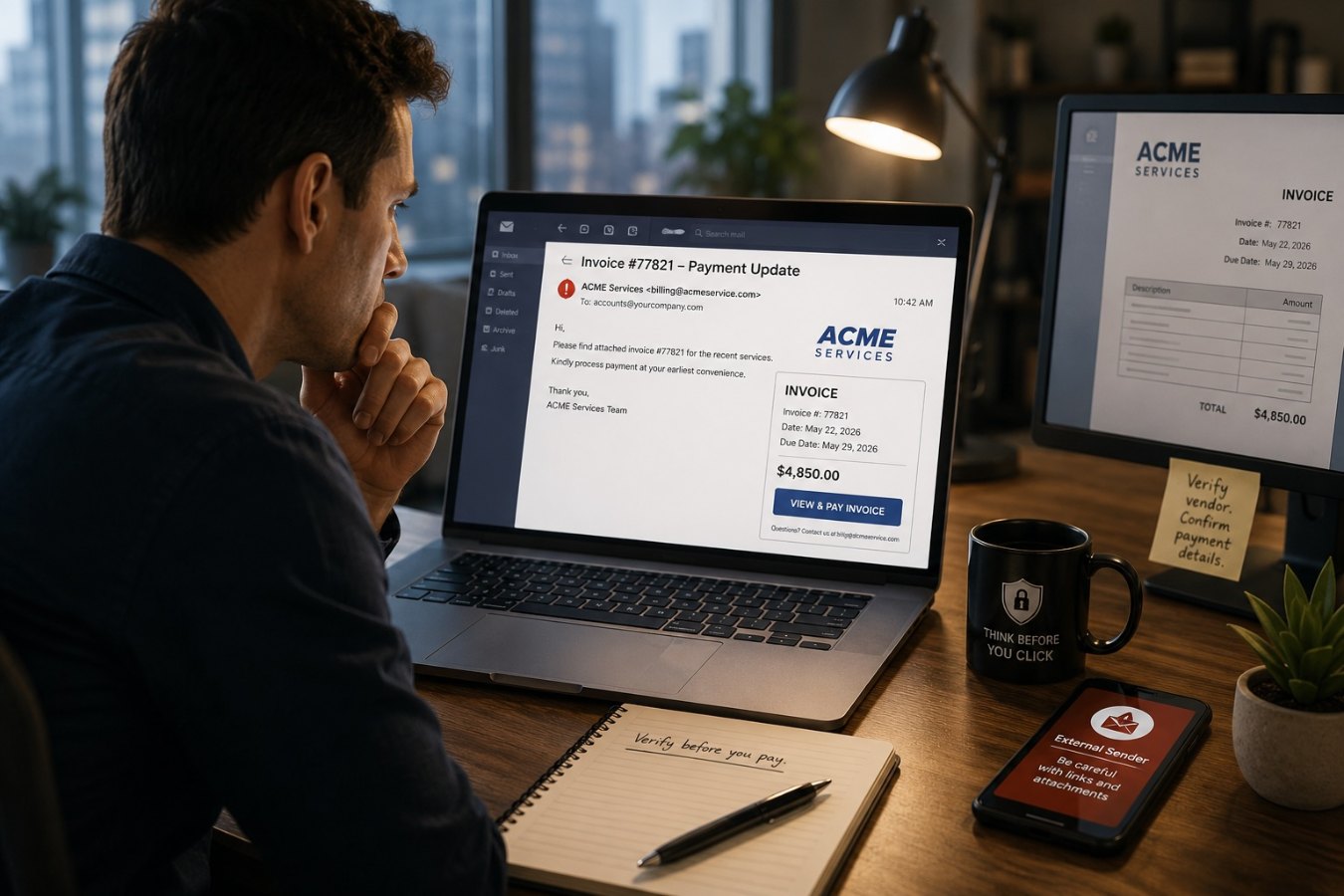
Invoice scams disguised as routine business often trick unsuspecting employees and bypass internal controls. In this article, learn how fraudulent vendor payment requests work, what warning signs to watch for, and steps your organization can take to verify transactions and prevent losses.
Continue reading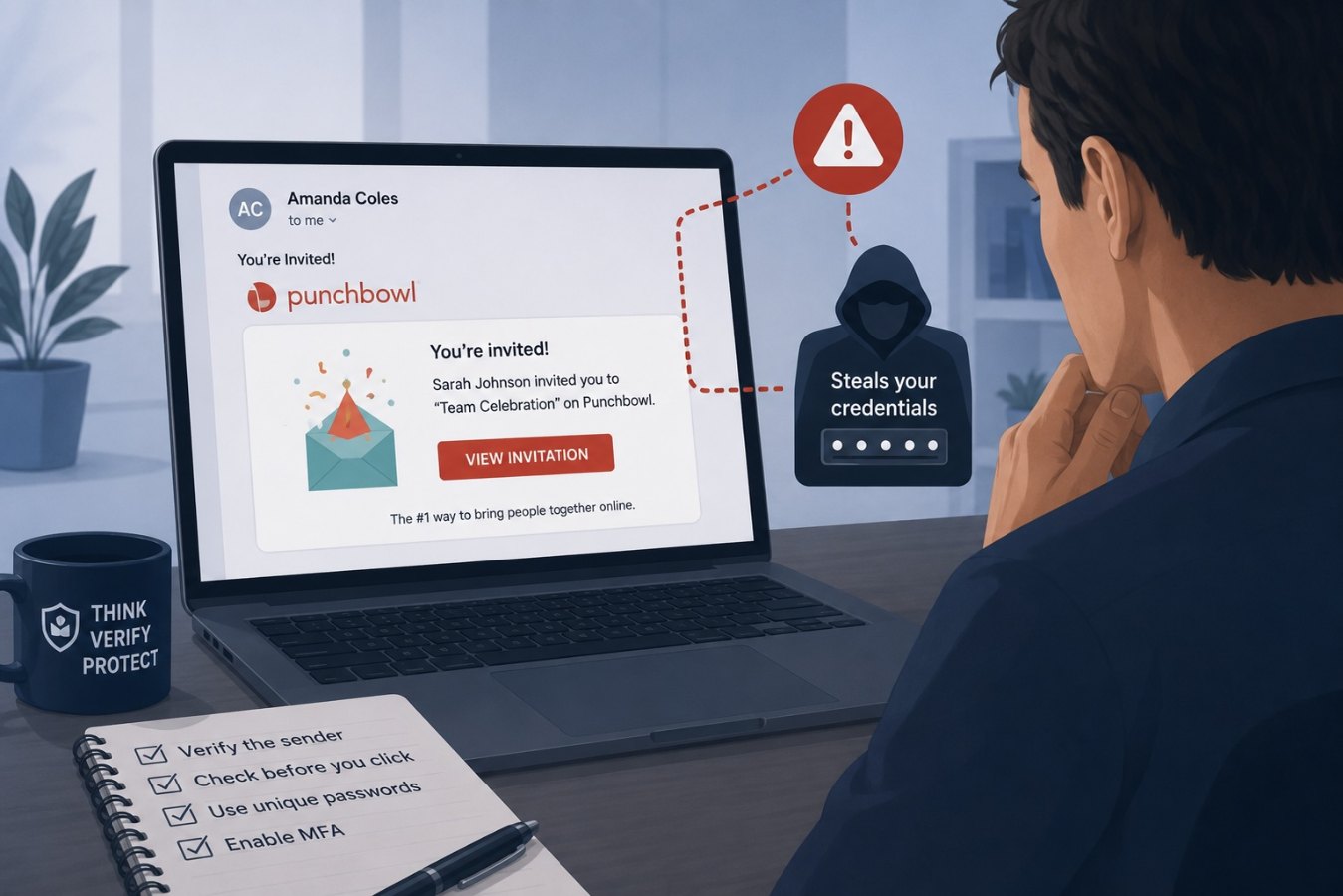
Attackers are hijacking real email accounts and using legitimate services like Punchbowl to trick victims into entering credentials. The result: highly convincing phishing that bypasses traditional defenses.
Continue reading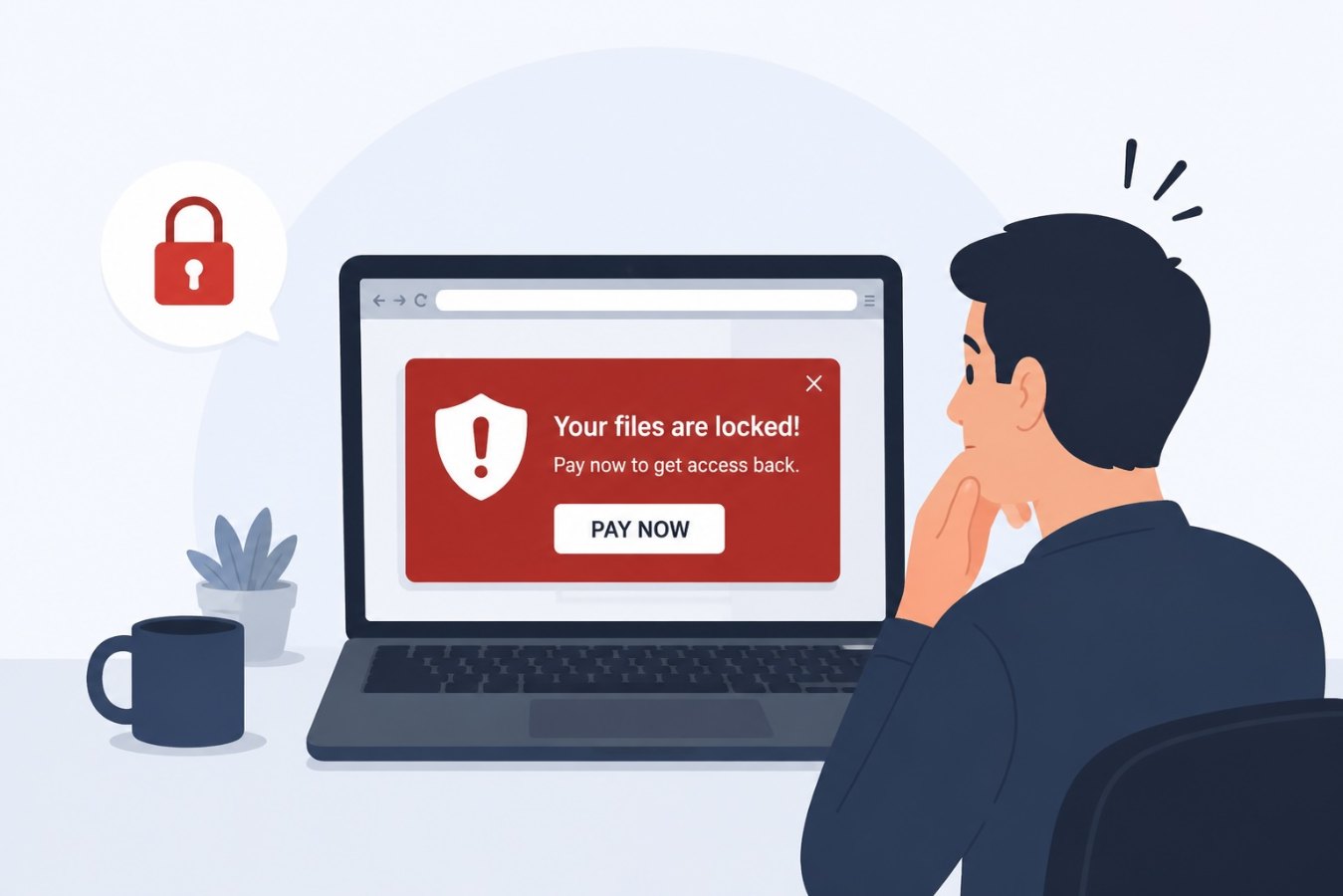
In November 2023, Boeing chose not to pay a ransomware demand. The attackers responded by leaking 45GB of data—highlighting a harsh reality: even doing the “right thing” doesn’t stop the damage.
Continue readingSee SafeInstinct in a live demo, or get your team started today.