June 7, 2026 · SafeInstinct Team
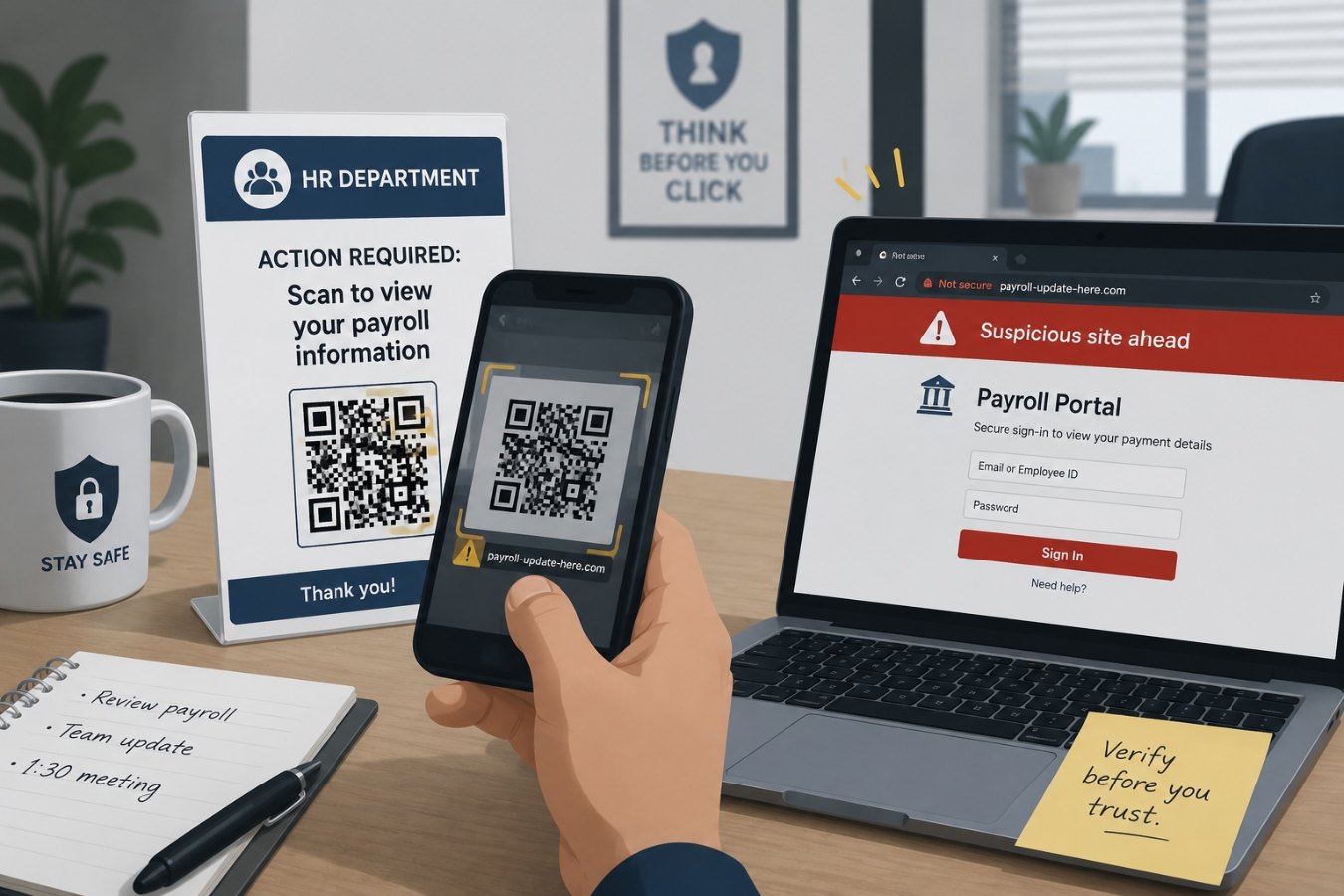
QR codes have become part of everyday life, from restaurant menus to payment portals. That familiarity is exactly what cybercriminals are banking on. “Quishing” scams use malicious QR codes to lure employees into visiting fraudulent websites or installing malware on their mobile devices. This article explains how these attacks work, why they’re so effective, and how you can protect yourself and your organization.
Continue reading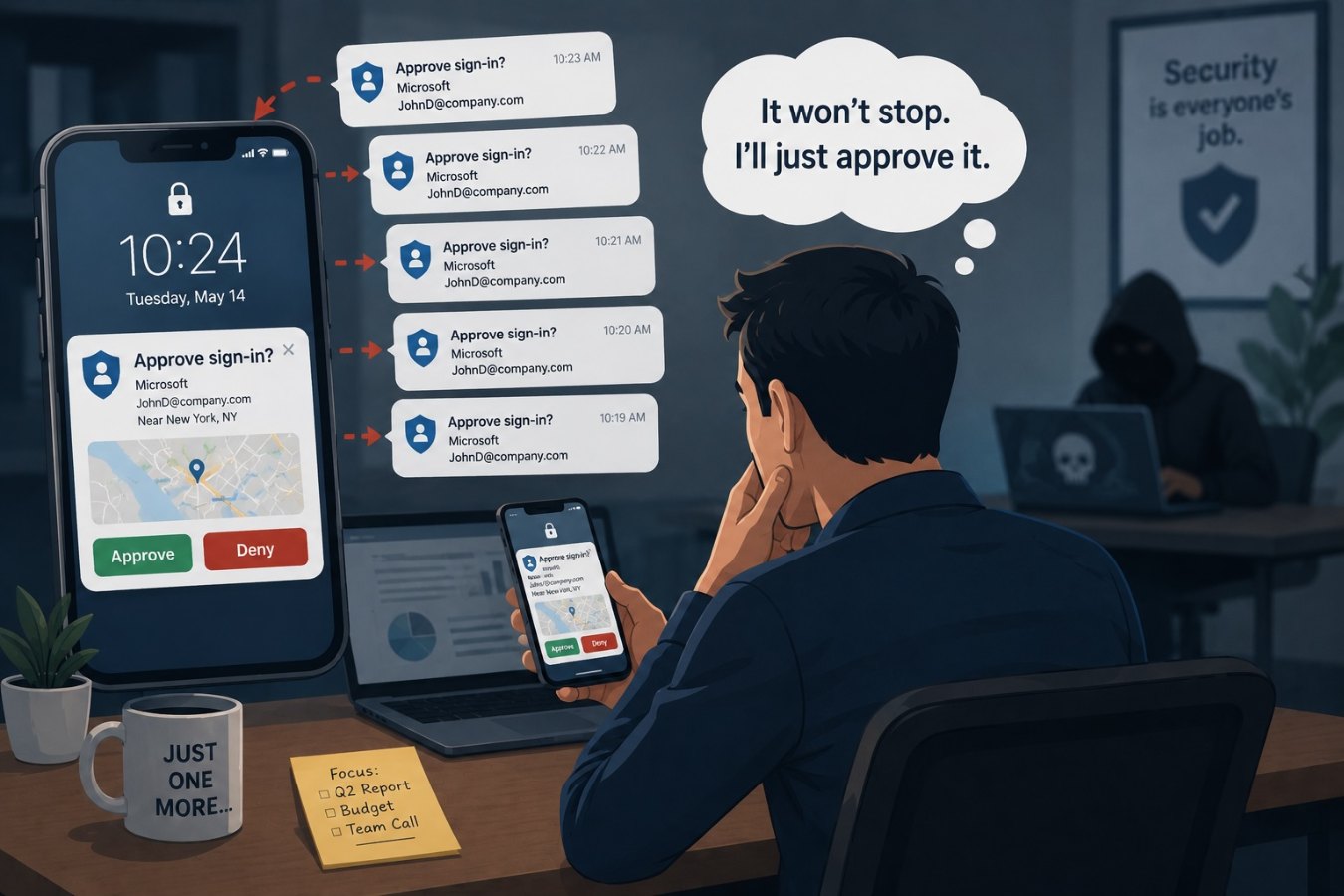
May 24, 2026 · SafeInstinct Team
Multi-factor authentication is essential for protecting corporate accounts, but attackers have found ways to exploit human behavior. MFA fatigue attacks rely on repeated push notifications to trick employees into approving unauthorized access. This article explains how these scams work, why they succeed, and what you can do to prevent them.
Continue reading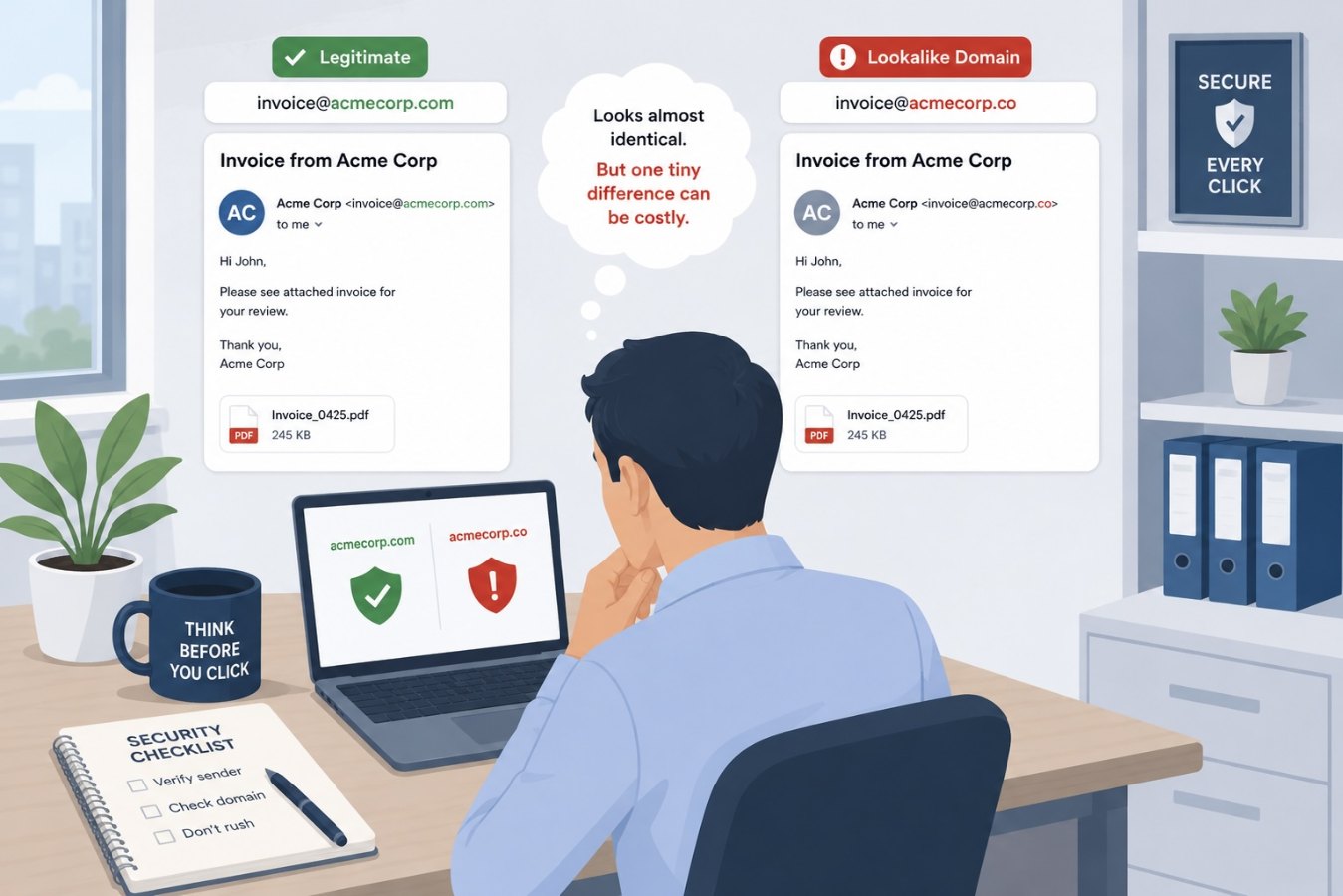
May 17, 2026 · SafeInstinct Team
Business email compromise (BEC) is one of the most damaging cyber threats facing organizations today. Attackers often succeed by registering domains that look almost identical to a legitimate company’s address and then sending convincing messages that bypass spam filters. This article shows how lookalike domains are used to trick employees into transferring money or sensitive information and offers practical defenses.
Continue reading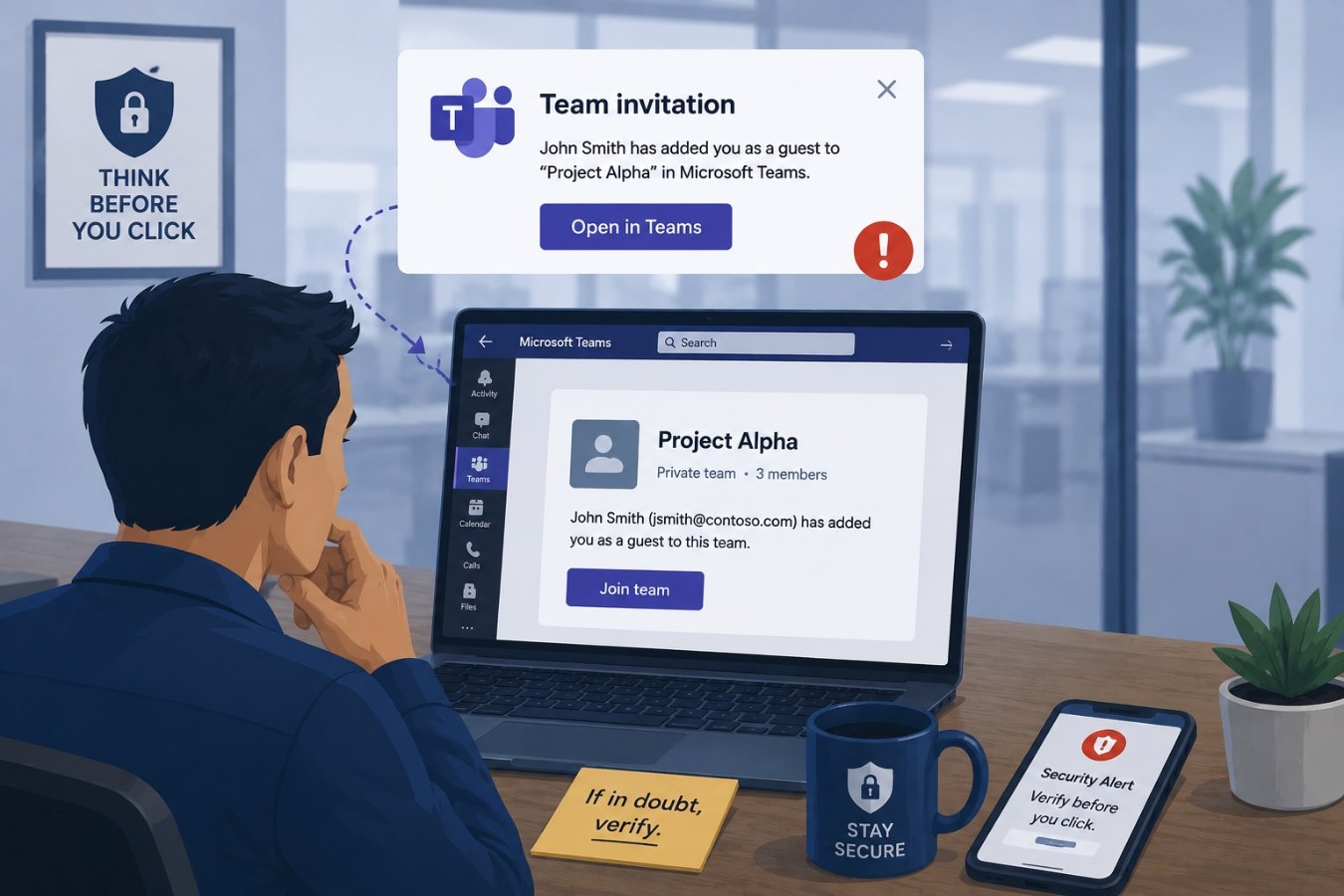
May 10, 2026 · SafeInstinct Team
Collaboration tools like Microsoft Teams and Slack have become vital for remote and hybrid work. Attackers are taking advantage of that trust by sending fake invitations that look like official notifications but contain malicious content. Learn how these scams operate and how to safeguard your organization.
Continue reading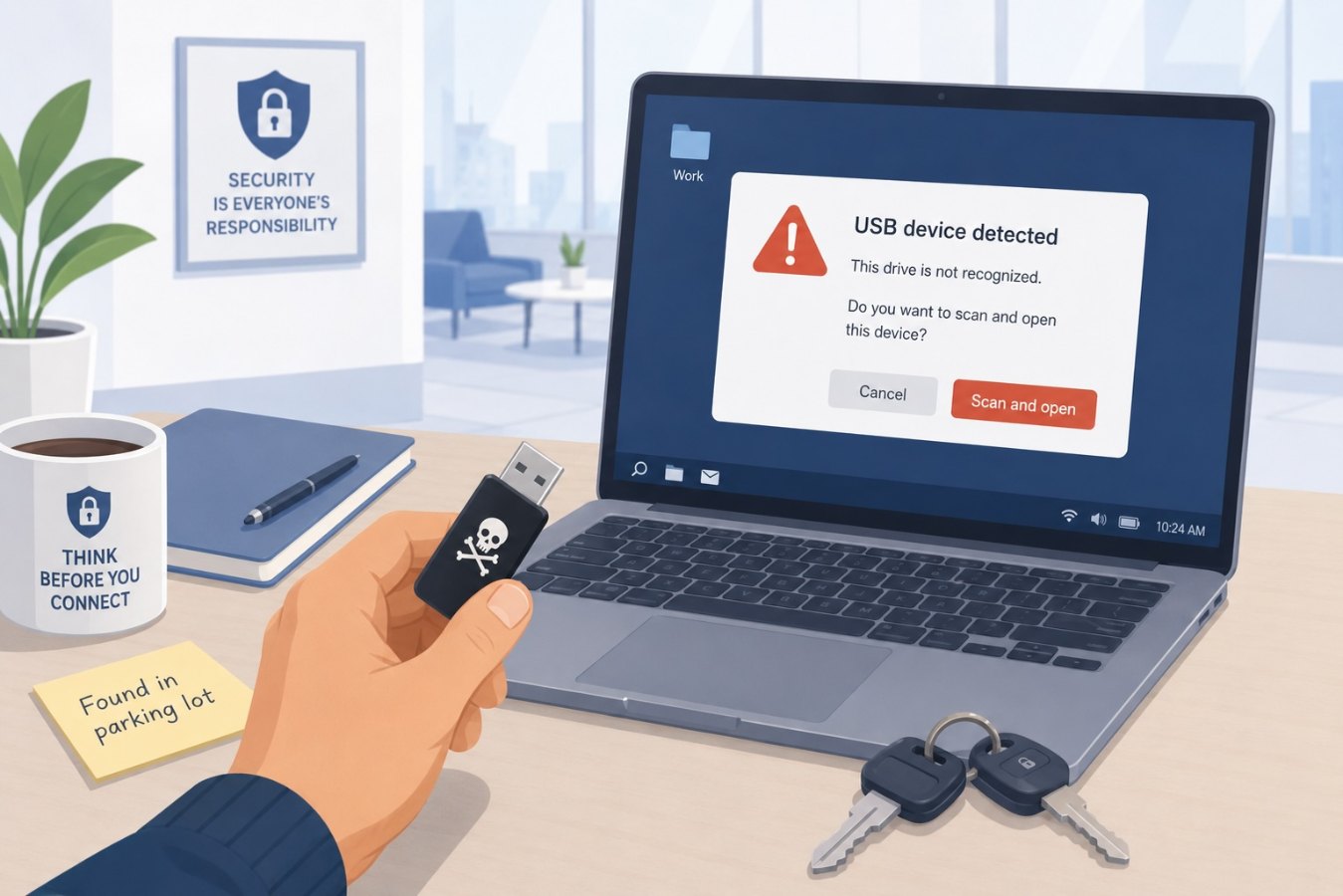
May 3, 2026 · SafeInstinct Team
A discarded flash drive in the lobby might seem like a lucky find, but it could be the beginning of a serious security incident. Infected USB devices are a common baiting tactic that attackers use to deliver malware or gain access to corporate networks. Learn why these attacks are on the rise and how to keep your organization safe.
Continue reading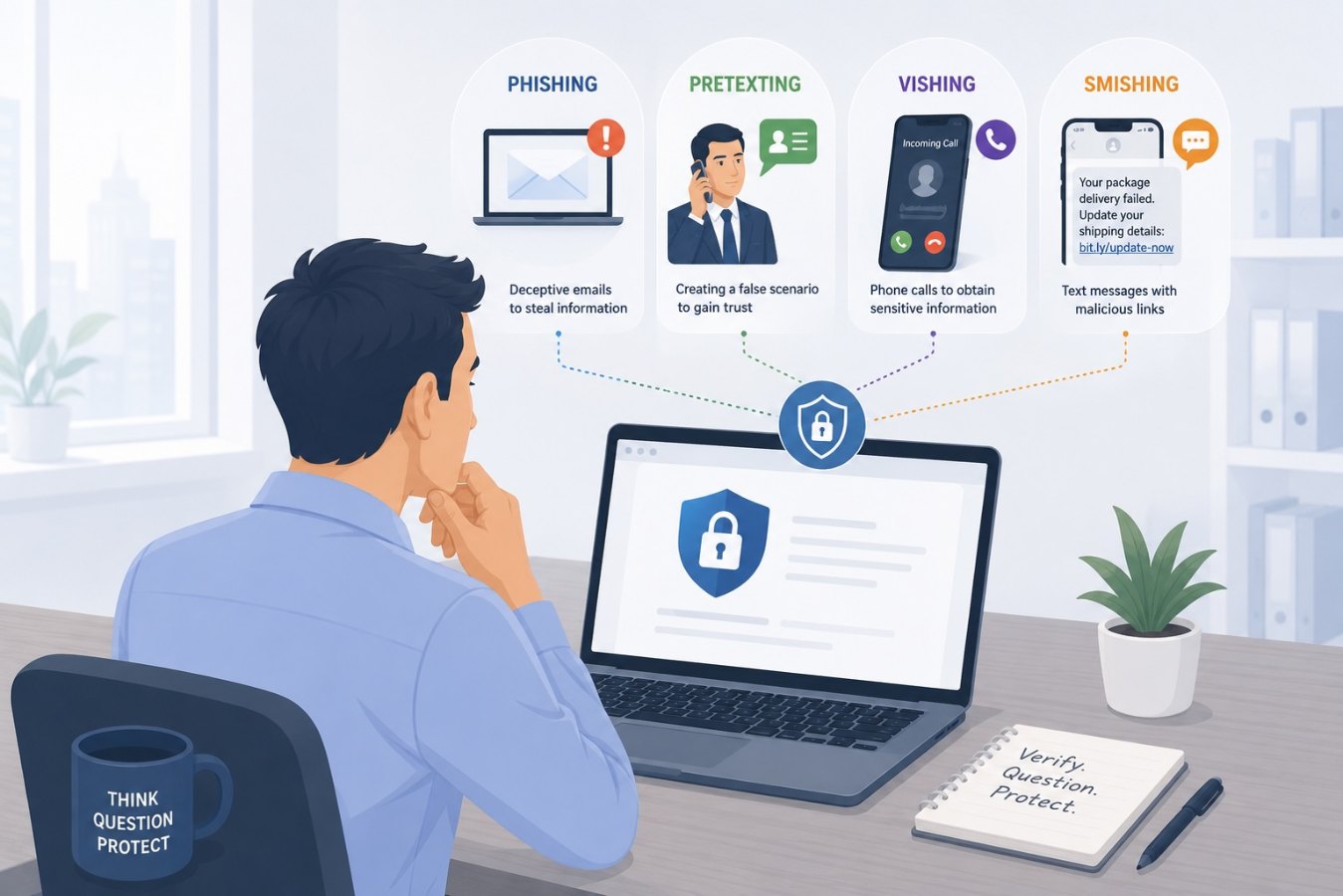
April 26, 2026 · SafeInstinct Team
“Phishing” isn’t the only social‑engineering trick in the book. Attackers use a range of schemes—pretexting, vishing and smishing—that may look similar but exploit different channels and psychological triggers. Imperva notes that phishing impersonates trusted entities in emails, while pretexting creates a convincing story to gain access; vishing uses phone calls and smishing uses text messages. Learning the distinctions helps you respond appropriately to each threat.
Continue reading